
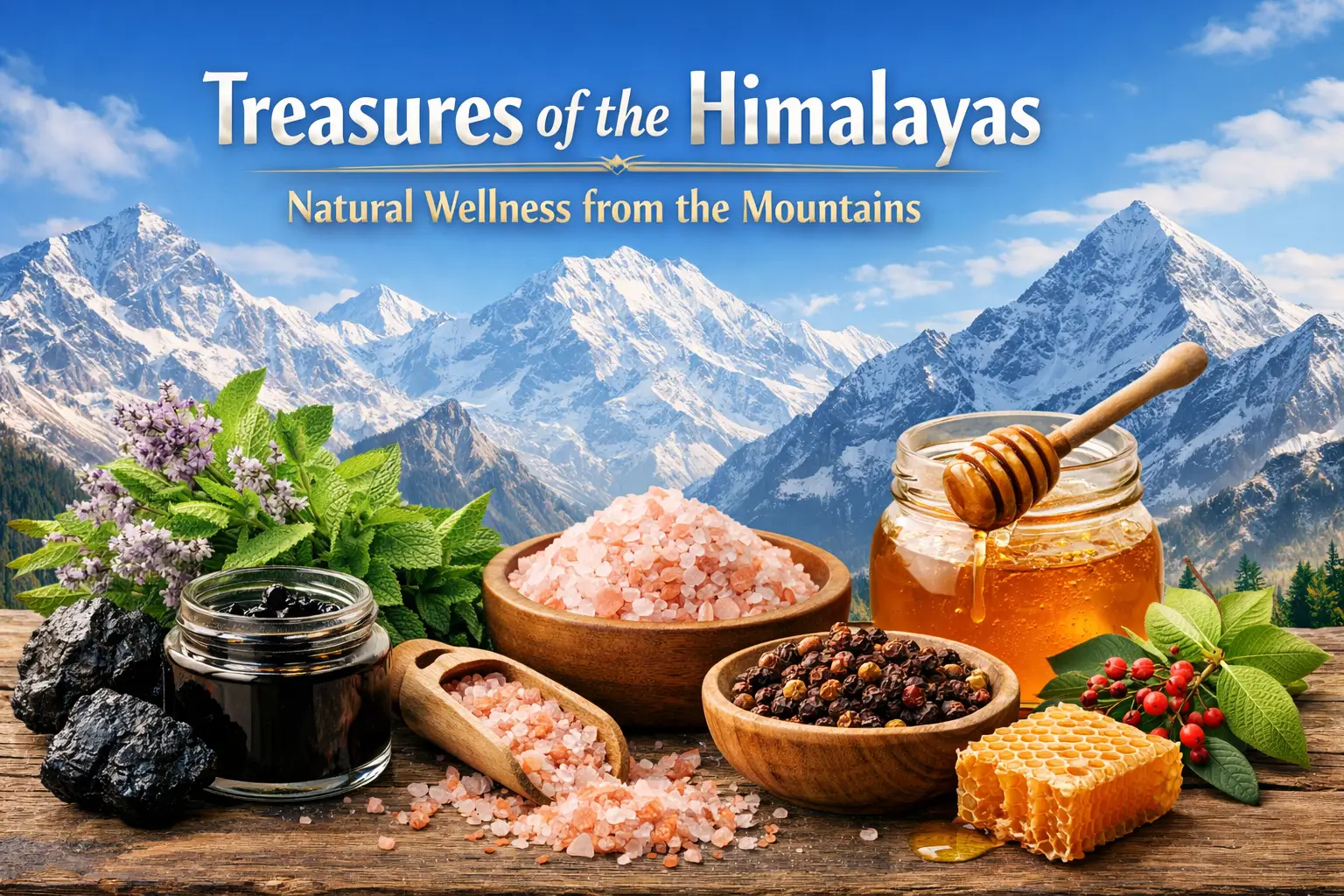
The Himalayan region is one of the most pristine and biologically rich environments on Earth. Stretching across several countries, these mountains are home to rare herbs, minerals, and natural substances that have been valued for centuries in traditional wellness practices. Today, Himalayan natural products are gaining worldwide recognition for their purity, sustainability, and unique benefits.
The Unique Environment of the Himalayas
The high altitude, mineral-rich soil, clean water sources, and minimal industrial pollution make the Himalayas an ideal place for natural products to develop their unique properties. Plants and minerals found in this region often grow in harsh climates, which strengthens their natural compounds.
Because of this environment, many Himalayan products contain higher concentrations of natural nutrients and bioactive compounds compared to similar plants grown in other regions.
Himalayan Shilajit – A Natural Mineral Resin
One of the most well-known Himalayan substances is Shilajit, a natural mineral resin that slowly forms in mountain rocks over centuries through the decomposition of plant material.
Traditionally used in various wellness systems, Himalayan Shilajit is valued for its rich composition of minerals, fulvic acid, and organic compounds. Many people include Shilajit as part of their daily wellness routine because of its reputation for supporting vitality and overall well-being.
Authentic Himalayan Shilajit is carefully collected from high-altitude rocks and purified before use to ensure safety and quality.
Also read: Himalayan Mentha longifolia: The Wild Mint of the Mountains
Mentha Longifolia (Wild Himalayan Mint)
Another remarkable Himalayan plant is Mentha longifolia, commonly known as Wild Mint. This aromatic herb grows naturally in mountainous regions and has been traditionally used in herbal preparations and culinary recipes.
Wild mint is appreciated for its refreshing aroma and natural compounds that may support digestion and freshness. It is widely used in herbal teas, essential oils, and natural remedies.
Compared to cultivated mint, Himalayan wild mint often has a stronger aroma and a more complex natural profile.
Zanthoxylum Alatum – Himalayan Herbal Spice
Zanthoxylum alatum, sometimes known as Himalayan pepper or Timur, is a traditional spice and herbal ingredient used in mountain communities. It has a unique citrus-like aroma and a mild tingling flavor.
In traditional use, it has been valued not only as a spice but also as a natural herbal ingredient in various preparations.
Today, chefs and herbal enthusiasts appreciate Zanthoxylum alatum for both its culinary and traditional uses.
Himalayan Honey – Nature’s Pure Sweetener
Honey produced in the Himalayan region is known for its purity and unique floral sources. Bees collect nectar from wild mountain flowers, creating honey with distinctive flavors and natural richness.
Because of the diverse plant life in the Himalayas, each batch of honey can have slightly different characteristics depending on the season and local flora.
Himalayan Pink Salt – A Natural Mineral Salt
Himalayan pink salt is mined from ancient sea salt deposits formed millions of years ago. Its natural pink color comes from trace minerals such as iron, potassium, and magnesium.
It is widely used in cooking, wellness products, and decorative salt lamps.
Also read: 10 benefits of shilajit for women
Why Consumers Prefer Himalayan Natural Products
Modern consumers are increasingly seeking natural and minimally processed products. Himalayan products stand out because they often offer:
- Natural sourcing from high-altitude regions
- Traditional harvesting knowledge
- Minimal processing
- Unique mineral and botanical composition
- Authentic origin
However, authenticity is important. Consumers should always purchase Himalayan products from trusted suppliers that ensure proper sourcing and quality standards.
Supporting Sustainable Himalayan Products
Responsible harvesting and sustainable practices help protect the fragile Himalayan ecosystem. Ethical companies work closely with local communities to ensure that natural resources are collected responsibly and that traditional knowledge is respected.
Supporting such products not only promotes natural wellness but also contributes to the livelihoods of mountain communities.
Conclusion
The Power of Himalayan Nature
The Himalayas offer some of the world’s most unique natural resources. From Shilajit and wild mint to honey and mineral salt, these products reflect the purity and strength of the mountain environment.
As global interest in natural wellness continues to grow, Himalayan products remain a powerful example of how nature and tradition can work together to support a balanced lifestyle.
From